Pages

Showing posts with label Recipes. Show all posts

Medication for Autistic Patients

You can research the many studies on these drugs at your local library or on the Internet. Publications such as journals and healthcare magazines are probably most current and most reliable, whereas you may get some altered information on the World Wide Web, so be careful about following advice you find without first consulting your doctor. 


He or she may also be able to provide you with literature about the medication options available for autistic patients. Do your researching on the many choices before making any decisions, and you'll be able to better control your health.

Also consider the side effects of the drugs you are considering. While they may be very good at controlling aggression, responsiveness, hyperactivity, or other autistic tendencies, they may also cause sedation or other side effects such as nausea or dizziness. 

Weigh your options carefully before beginning one of these treatments, or you could find yourself with ten bottles of pills, each taken to counteract the side effects of another. 

Also remember that medications may have long-term effects. Will you or your child become dependent on the drug? Will you be tolerant? How else will it affect the body over time? These are all important questions to ask your doctor before beginning any medication.

Consider the safety of the drug. Some cannot be used in children or in people under a certain weight. Make sure the dosage is easy to understand and before you choose one medicine or another find out how it is administered (pills, injections, liquid, etc). 

This is important if you are not comfortable with certain methods, such as injecting yourself or your child. Also find out how safe the drug is to individuals who do not suffer from autism. 

If you have small children in the house, you'll want to be sure that the drug is not lethal if it gets into the wrong hands. Find out what to do in case this happens, just to be on the safe side.

As with any illness, disease, or disorder, there are a number of medicine options available to help control these symptoms. It is important to remember that none of these medications will "cure" autism; they simply help control some of the effects of the disorder. 

There are advantages and disadvantages to each drug, as they all have side effects as well as benefits. When choosing medicines to effectively treat autism, your doctor can make recommendations, but since autism is a disorder which varies from person to person, you should use drugs very carefully, watching to see how the body reacts to the treatments.
READ MORE - Medication for Autistic Patients

Now that you know the ins and outs to cast iron cookware, you can start creating your own family heirloom - as well as some great food!

In the days before we had non-stick cookware, we had the next best thing - seasoned cast iron cookware. While non-stick cookware has certainly outdone cast iron cookware in the non-stick category, cast iron pots and pans are still favored by many chefs, including the professionals because of their durability and ability to retain flavor. 

But, if you're not lucky enough to have a hand-me-down from Grandma, you may find yourself confused about how to become a cast iron chef. Have no fear - you can learn to season cast iron cookware with the pros and keep them in great shape for years to come. 

Now that you know the ins and outs to cast iron cookware, you can start creating your own family heirloom - as well as some great food!

Seasoning New Cast Iron Cookware 

The process is actually quite simple. When done correctly, your pans will last a long time and may even become your own hand-me -downs in the future. 
  1. Heat your oven to 300 degrees. 
  2. Coat the pan with lard or grease. (Be sure that you do not use vegetable oil or commercial cooking sprays. While they may seem easier, they will not only cause your cookware to be seasoned incorrectly, but they will also leave a sticky film on the outside of the cookware that is impossible to remove.) 
  3. Place the pan in the oven on the middle rack and allow it to bake for 15 minutes. 
  4. Remove the pan and pour out any excess grease or lard. 
  5. Put the pan back into the oven and bake for another two hours. 
  6. Repeat as needed 
Many cast iron enthusiasts will swear upon repeating the seasoning process several times before ever using the cookware the first time. Each time you season the cookware, the seasoning bond becomes stronger. Many people will recommend that the first few times the cookware is used it should be used to cook greasy foods (bacon, fatty meats, etc.) to again strengthen the seasoning bond. 

Re-seasoning Cookware 

If you find that you seasoned the pan improperly the first time, or if food starts to stick to the pan after a period of time in use, you may want to re-season the cookware. 

1. Wash the cookware thoroughly with a steel wool pad (doing this while the pan is warm and still safe to touch is best). 
2. Make sure the pan is fully dry (use a towel if needed). 
3. Follow the seasoning steps above to re-season the pan. 

Cleaning Your Cast Iron Cookware 

To make your cookware last the test of time, be sure to take proper care of it. Remember the creed of every enthusiast of cast iron - no soap and no steel wool. Soap and steel wool will cause a breakdown in the seasoning bond and should not be used to clean your cookware on a regular basis. If you're baffled at this moment, have no fear. Cleaning cast iron cookware is a breeze. 

You'll need to rinse your cookware while it is still hot. If food is stuck to it, then scrape the pan or pot as needed. 

That's it! Remember not to store food in your cast iron cookware because it may attach a metallic flavor to the food. In addition, store your pans with the lids off to prevent moisture from accumulating and rusting from occurring. 

Now that you know the ins and outs to cast iron cookware, you can start creating your own family heirloom - as well as some great food!
READ MORE - Now that you know the ins and outs to cast iron cookware, you can start creating your own family heirloom - as well as some great food!

Strawberry Banana Milkshake

There’s nothing more delicious and nutritious than strawberries and bananas together. Now you can have these two delicious fruits in a scrumptious milkshake. Strawberry Banana Milkshake is a great drink to have any time of day. 

Bananas and strawberries are good for you and go perfectly with milk. You’re probably used to having them on your cereal, but now you can see how delicious they are in a tall, frosty glass filled with this wonderful milkshake. Enjoy. 

Strawberry Banana Milkshake

Strawberry Banana Milkshake 
  • 2 bananas 
  • 10 oz. box frozen strawberries, partially thawed 
  • 2 cups milk 
  • 2 pints strawberry ice cream 
Directions 

Slice the bananas. Combine bananas, strawberries, milk and 1 pint of the ice cream in blender, in batches. 

Blend until smooth. Top each with scoop of remaining ice cream.
READ MORE - Strawberry Banana Milkshake

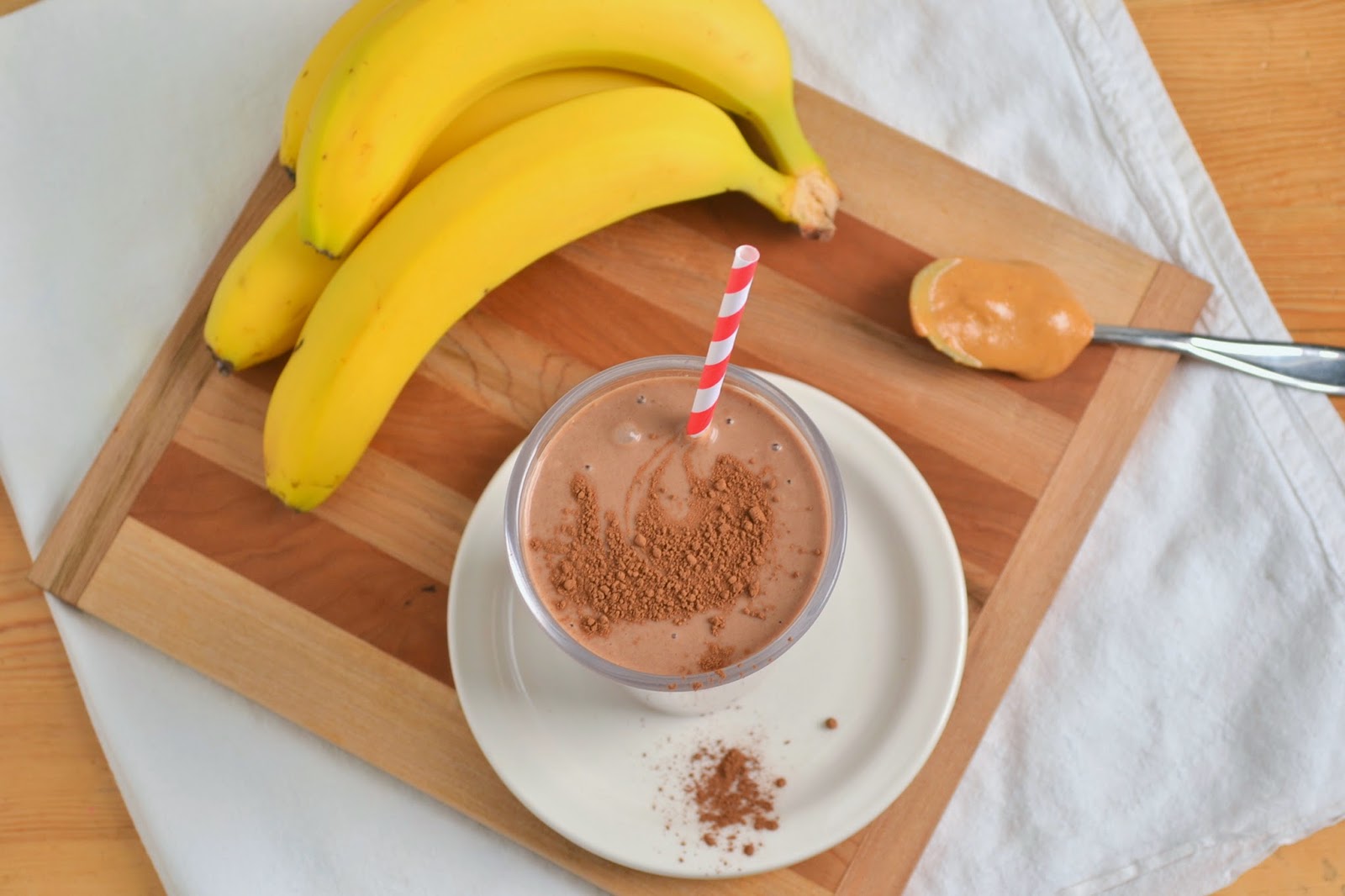
Banana Chocolate Milkshake

Got any ripe bananas sitting around the house? Great. Then instead of letting them get too ripe to eat, make yourself a nice, cold delicious banana chocolate milkshake. It’s fun and easy to do. 

All you do is slice up the banana and add it to some cocoa chocolate and milk and you’ve got yourself a nice afternoon snack. This milkshake will also give you a real boost of energy too. Now you know you’ll never have to waste another banana again. 

Banana Chocolate Milkshake

Banana Chocolate Milkshake 
  • 1 cup skim milk 
  • 2 tablespoons cocoa 
  • 1/3 cup sugar 
  • 1 teaspoon vanilla extract 
  • 1 medium ripe banana, sliced 
  • 8 large ice cubes 
Directions 

In blender container pour milk. Add cocoa. Cover, blend on low speed until well mixed. Add sugar, vanilla and banana. Cover, blend until smooth. 

Add ice cubes, one at a time, blending until thick.
READ MORE - Banana Chocolate Milkshake